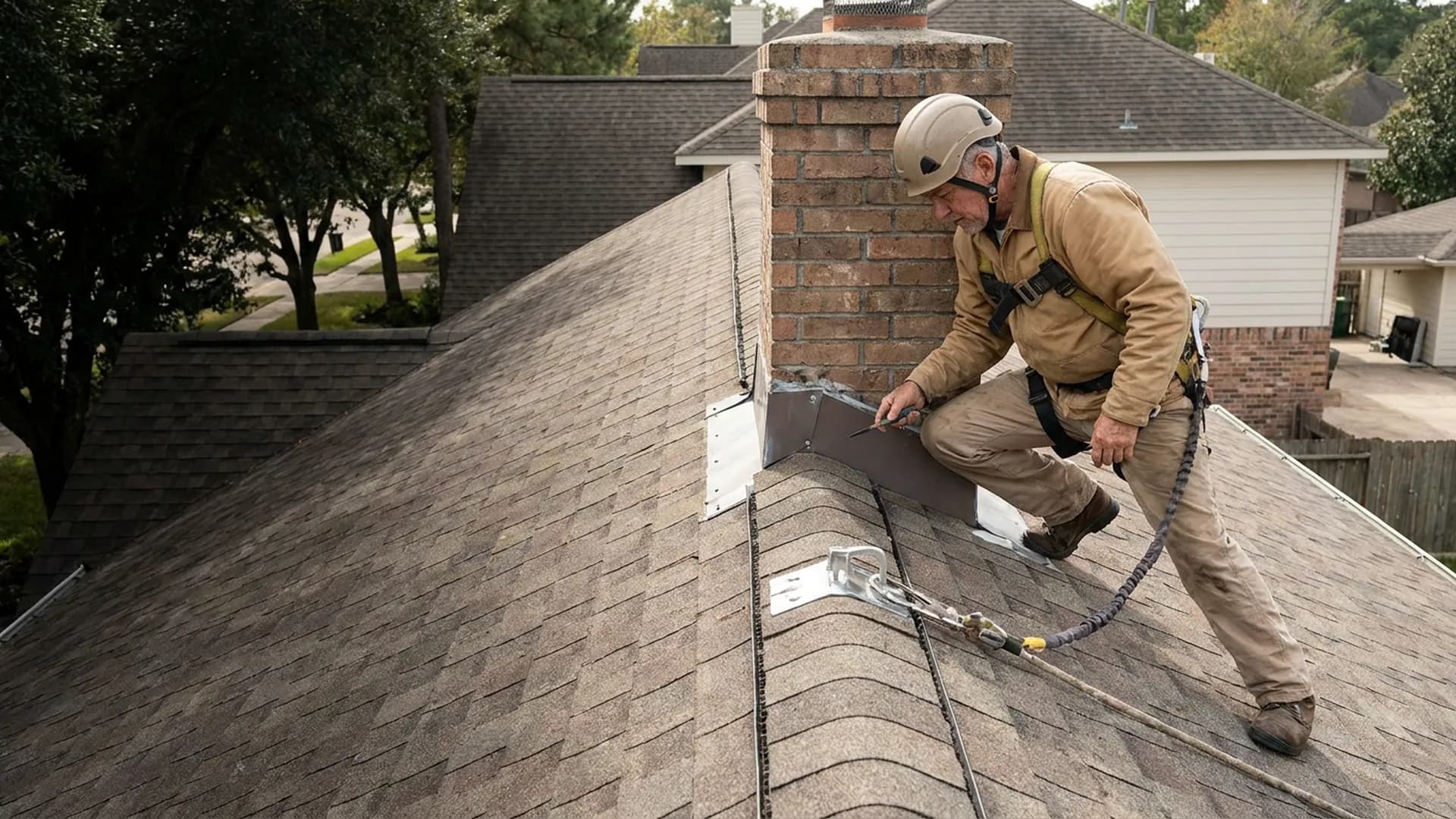
Houston, TX & the surrounding area
Roof Leak Inspection in Houston, TX
Roof Inspection Houston connects Houston homeowners with one insured local roofing professional for a free roof leak inspection. If water is dripping now—or a stain appears after rain—the useful job is tracing the likely entry path, not guessing from the spot on the ceiling. Water can travel along decking, rafters, insulation, and drywall before it becomes visible. Tell us what you are seeing, and the local pro can confirm the right scope for a free inspection.
- Free roof inspection
- Insured local pro
- No obligation
Free Roof Inspection
No-cost inspection, no obligation to hire
Insured Local Roof Inspectors
Get an inspection from an insured local roofing professional
Real Answers
Get real answers before you approve a repair or file a claim
The most useful information is what happens before the stain: when water appears, what weather brings it, whether anything changed on the roof recently, and how long it has been happening. A ceiling mark is evidence, but it is rarely a map.
A leak that shows up only when rain is driven from one direction can point to an exposed flashing or wall transition. A leak that appears during most hard rains may involve the roof covering, a penetration, a valley, or drainage. Those are starting points for an inspection—not a diagnosis from the driveway. Sharing the pattern before the visit helps the local professional decide where to begin.
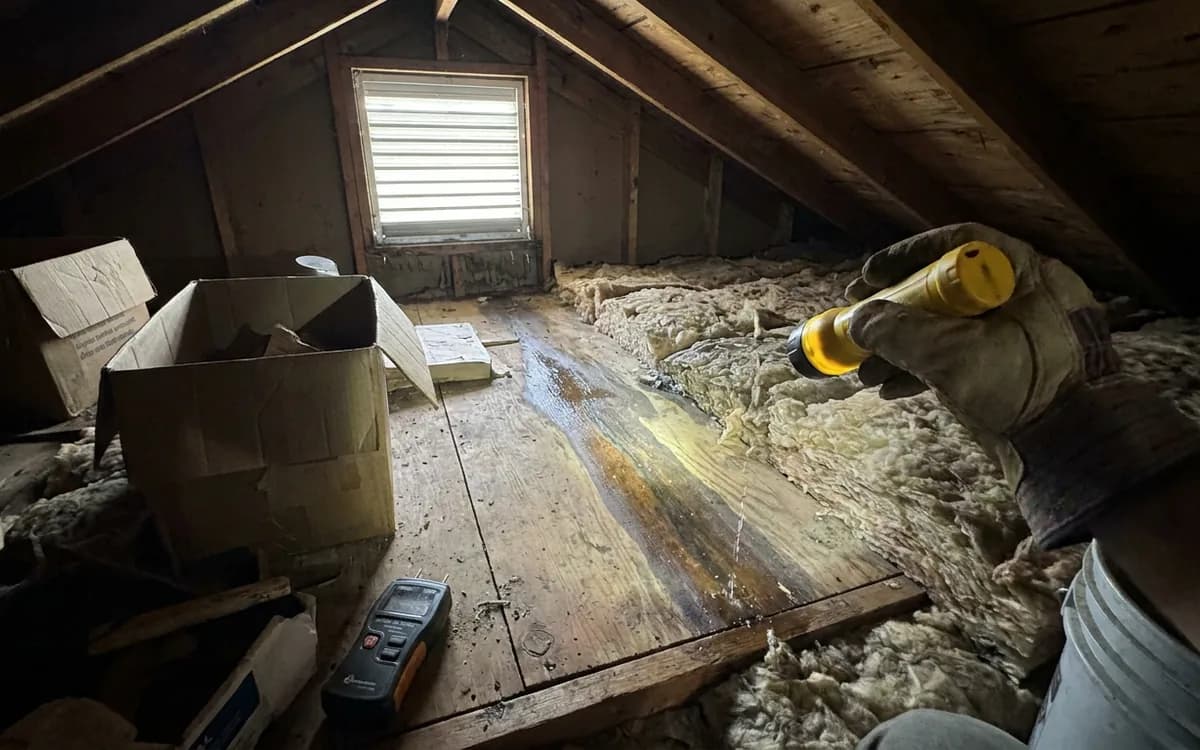
Signs That Need a Roof Leak Inspection
- A new brown or yellow ceiling mark, especially one that is spreading
- Active dripping, damp insulation, or a musty attic smell after rain
- Peeling paint or swollen drywall near an exterior wall
- Missing shingles, damaged flashing, or loose debris after wind
- Water in a garage, porch, or upper-floor room
- A leak that appears during wind-driven rain but not a straight-down shower
A dry ceiling does not prove the problem is fixed. Some leaks occur only under a specific wind direction, while materials can hold moisture after the visible drip stops. If the pattern repeats, it is worth finding the entry path before insulation, decking, or drywall have more time to stay wet.
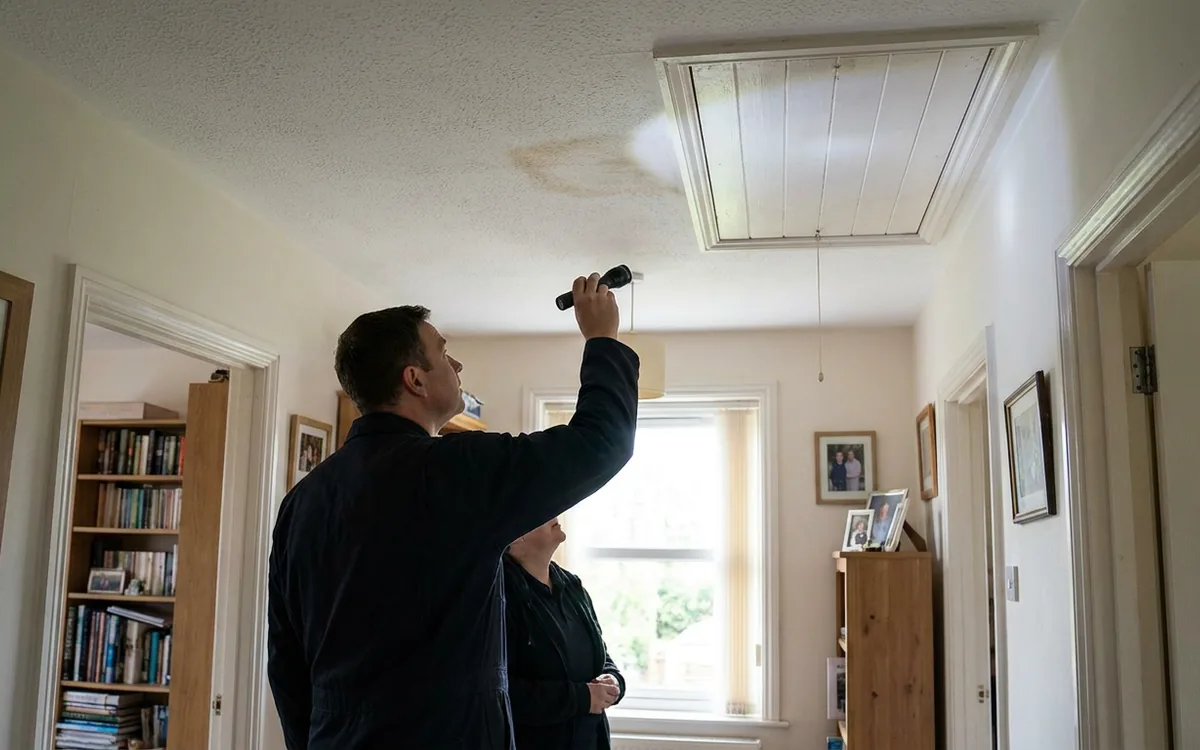
Where Houston Roof Leaks Usually Begin
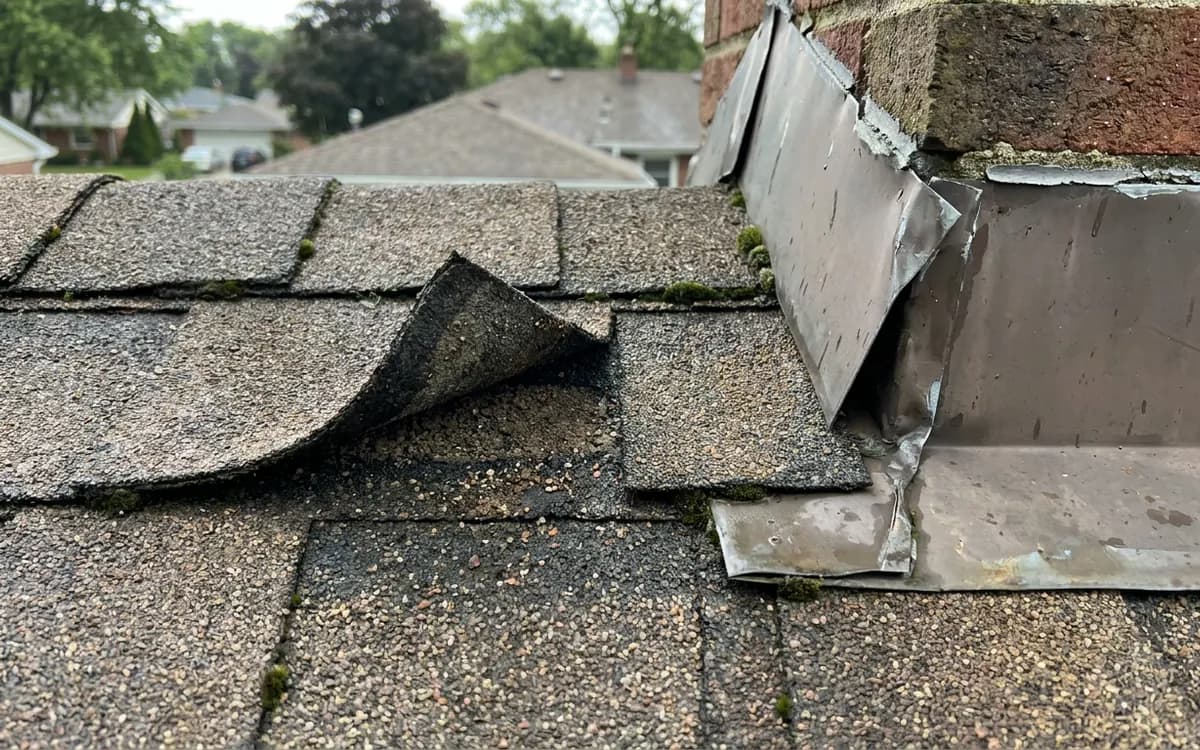
Flashing and transitions. Chimneys, dormers, skylights, plumbing vents, and sidewalls all interrupt the roof covering. Their metal flashing and seal details need to shed water repeatedly, so lifted metal, aged sealant, or an opening at a transition can be a likely place to investigate.
Valleys, edges, and drainage. A valley collects runoff from two roof planes. At the eave, overflowing gutters or water behind fascia can resemble a roof leak from inside. A careful inspection separates a roof-entry issue from a drainage issue before anyone proposes work.
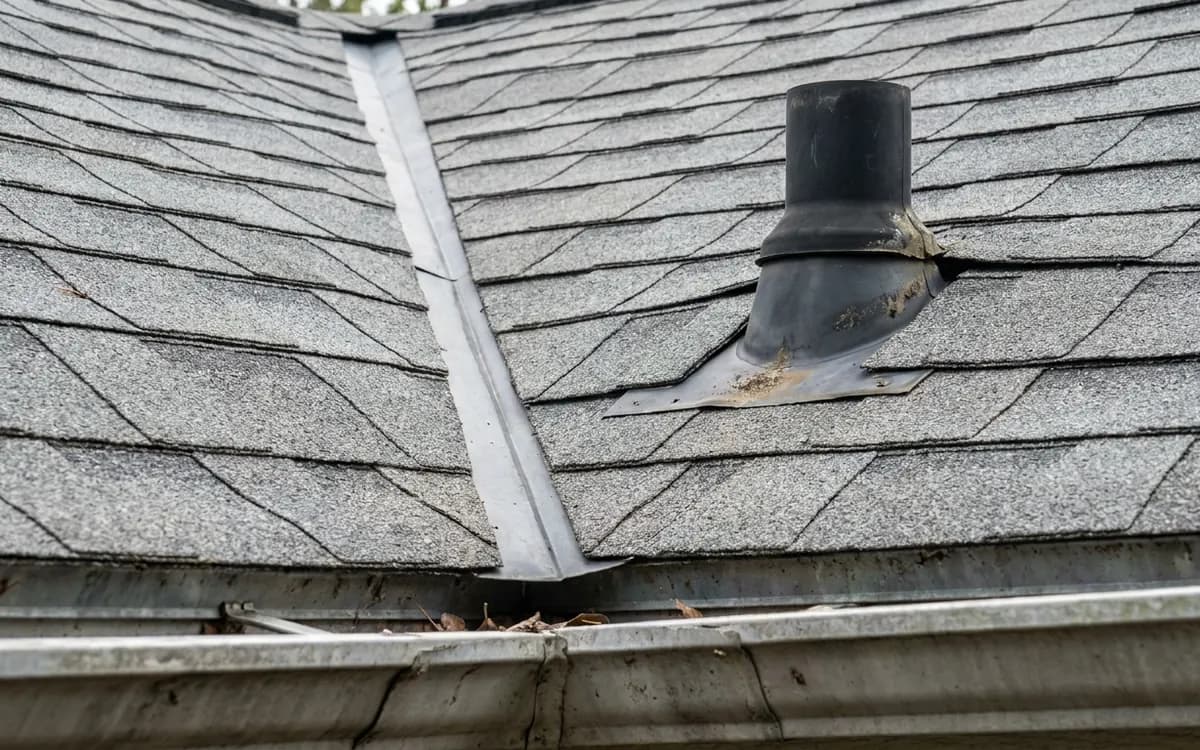
The roof covering and penetrations. Cracked shingles, slipped tiles, exposed fasteners, and a failed pipe boot can allow water below the surface. A small defect can produce a large interior stain once water follows the framing or insulation away from where it entered.
A non-roof source. Plumbing, HVAC condensation, and attic ventilation can mimic a roof leak. An honest leak investigation should say when the evidence points elsewhere instead of treating every stain as roofing work.
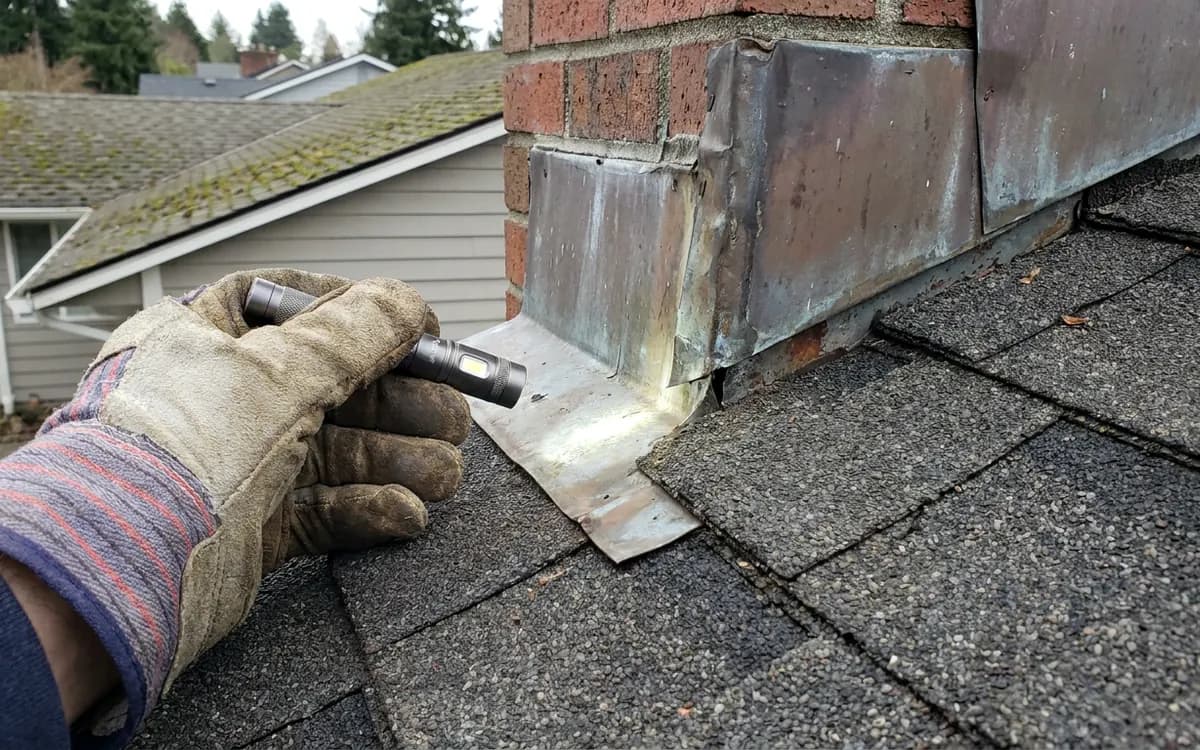
How a Roofer Traces an Intermittent Leak
Visual tracing is the baseline: inspect the attic or interior side for the highest wet point, then compare it with the roof details above. It often resolves a single-entry leak without special testing.
Moisture metering can help distinguish an actively wet area from a stain that dried long ago. It is useful when the question is whether moisture remains or a prior repair appears to have held.
Infrared imaging reads temperature differences rather than water directly. Wet insulation can retain and release heat differently from dry insulation, so the method may help identify a saturated area below a surface that looks intact when conditions allow a usable temperature difference.
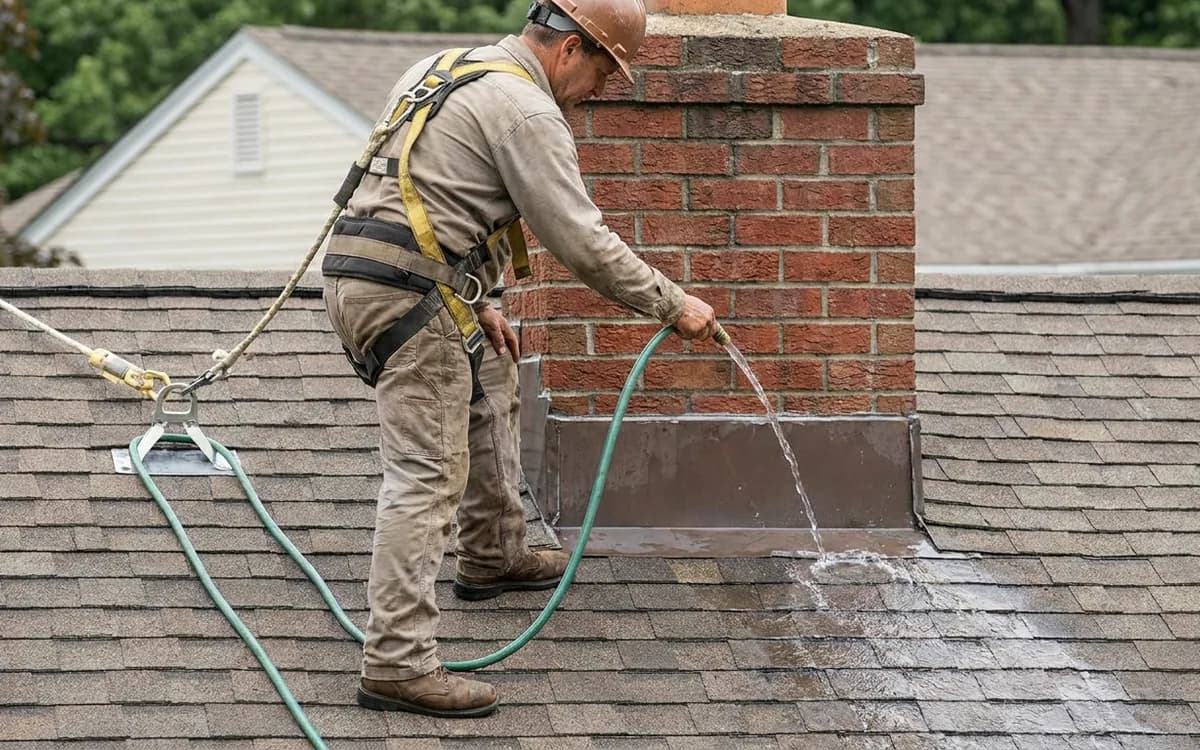
Controlled water testing can help confirm a difficult intermittent leak. A professional wets roof sections in sequence while the interior is monitored, usually after a visual inspection has narrowed the likely details. It takes time and should be discussed as part of the scope rather than assumed.
Ask what the professional inspected: step flashing and counterflashing at wall junctions, apron flashing at a chimney, kick-out flashing where a roof edge meets a wall, pipe boots around plumbing vents, drip edge, valley metal, underlayment, and the decking below. Specific observations are more useful than a vague promise that the leak was “handled.”
Repair, Protect, or Replace? The Evidence to Ask For
A failed boot or one flashing detail on an otherwise sound roof can be a targeted repair. Widespread deterioration, several unrelated entry points, or a roof near the end of its usable life is a larger decision. The recommendation should follow evidence, not roof age alone.
Ask these questions before agreeing to the next step:
- Is this one entry point or several? One failed detail can be repaired; unrelated entry points may indicate a broader condition issue.
- How much service life appears to remain? A repair can make sense on a roof with useful life left. On an aging covering, the same repair may only defer a larger project.
- Is the decking still sound? Soft or delaminated sheathing can expand work beyond the visible roof surface.
- Can the material be matched? A discontinued shingle may leave a visible patch or require a different repair approach.
- What supports the repair-versus-replacement recommendation? Ask for photos, measurements, and the specific observed condition.
A good explanation connects the finding to the recommendation. If it does not, ask for a written scope or another opinion before approving a full replacement.
Free Leak Inspection vs. Paid Written Report
The inspection we arrange is free and carries no obligation to hire. The connected roofing professional performs the visit because they may earn the repair work if work is needed. That is the honest reason the initial inspection can be free.
A paid independent inspection is a different product: it is a written report from someone with no stake in the repair. That can make sense for a real-estate transaction, estate, dispute, lender, or insurance file where the document itself has to stand on its own. The roof inspection cost guide explains the free-contractor-visit and paid-report paths side by side.
Neither path is a repair quote. An estimate follows the diagnosis and comes from the contractor proposing the work.
When a Leak Becomes a Storm-Damage Question
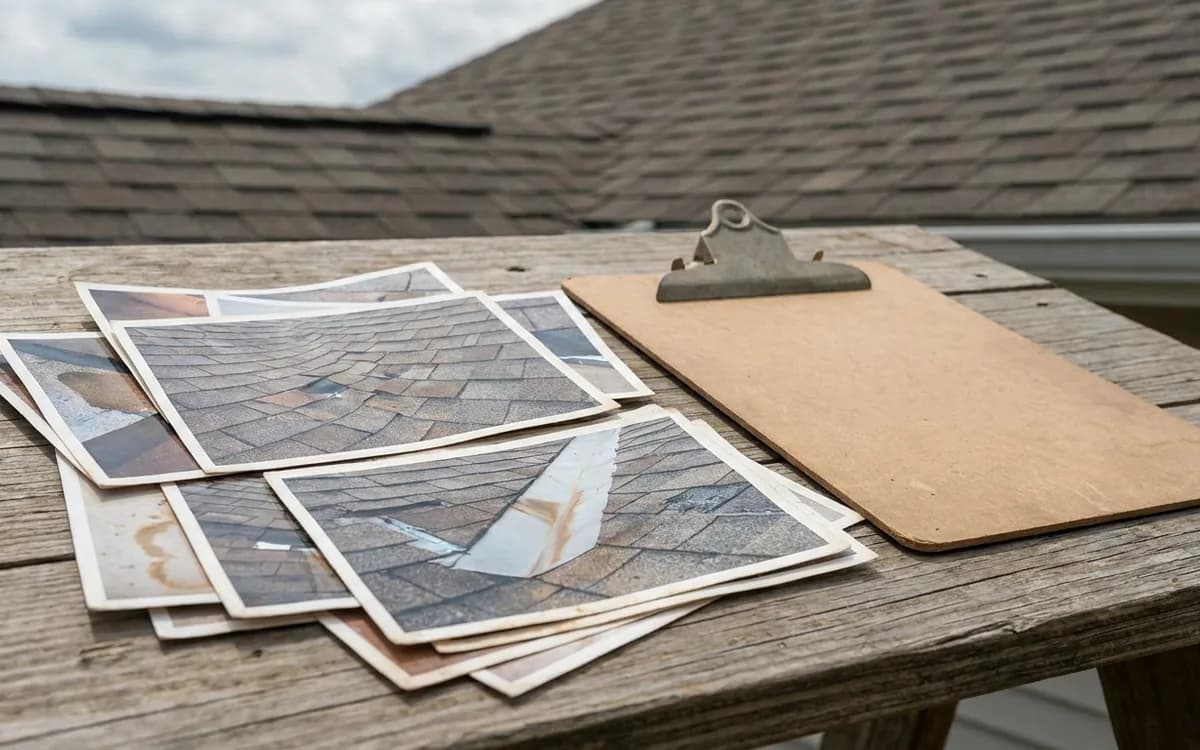
If hail or wind preceded the leak, preserve photos, invoices, dates, and the weather pattern. The contractor can document observed roof conditions; the insurer decides coverage. Do not assume a weather event proves a claim, and do not sign a contract based on a doorstep promise of fast approval.
For damage assessment after a specific weather event, the storm damage roof inspection page explains the separate hail-and-wind documentation question. This leak page stays focused on finding the entry path and deciding what inspection scope you need.
What Roof Inspection Houston Does—and Does Not Do
Roof Inspection Houston is a referral service, not a roofing contractor. We connect you with one independent insured local roofing professional. We do not perform inspections, produce reports, administer warranties, decide insurance coverage, or perform roofing work ourselves.
Confirm the professional’s identity, insurance, experience with your roof system, and written scope before hiring. The free connection gives you a path to a local pro; it does not remove the need to review the work you authorize.

What to Tell Us About Your Leak
Tell us the affected room, whether water is active or it is a stain, the weather pattern, roof material if you know it, any recent storm, and roof-access details. Call for the fastest response, or use the form. The local professional confirms availability and the scope of the free inspection.
For coverage outside the core metro, see service areas. Catching a leak early can limit interior damage; if the first explanation does not match what you are seeing, ask for the evidence or get a second opinion before authorizing a large repair.
Questions
Frequently Asked Questions
Why is the ceiling stain far from the roof leak?
Water can travel along rafters, decking, insulation, and drywall before it becomes visible. The stain location is a clue, but it may not be directly below the entry point.
Can a roofer find a leak during one visit?
Often, but not always. Wind-driven rain, intermittent leaks, concealed flashing, and multiple entry points can require additional testing or a return visit.
Should I wait for rain before scheduling a leak inspection?
No. Active dripping can cause interior damage, and waiting for another storm can make the problem worse. Describe when the leak appears so the contractor can choose the right inspection approach.
How do contractors find a roof leak that only shows up sometimes?
An intermittent leak usually needs more than a visual check. Common approaches are moisture metering to confirm an area is actively wet, infrared imaging to reveal saturated insulation under an intact surface, and controlled water testing where sections of the roof are wetted in sequence while someone watches inside.
Ready to get started?
Ready for a free inspection? Get connected with a local, insured roofing professional. Straight answers, clear scope, and no obligation to hire.