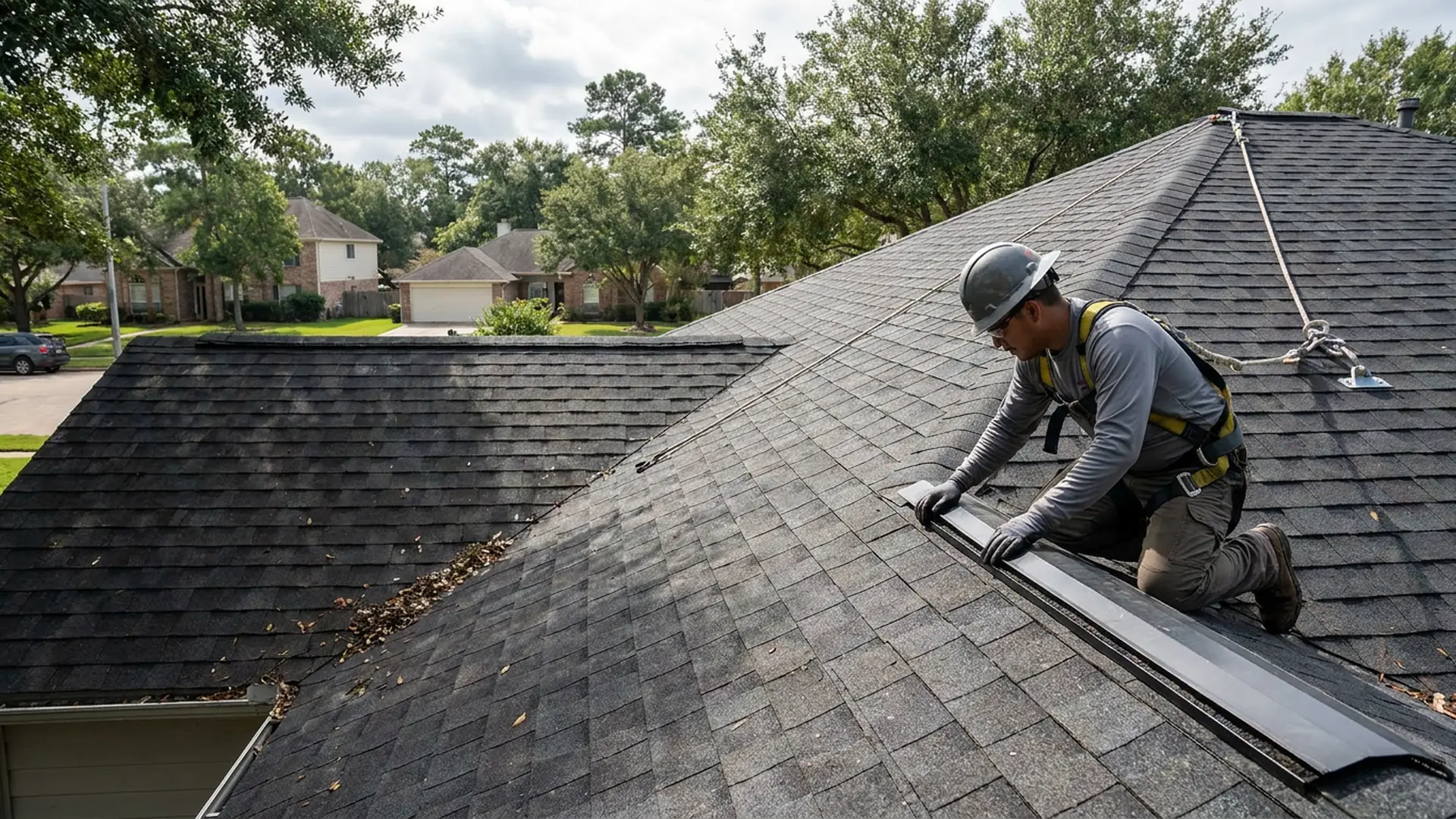
Houston, TX & the surrounding area
Storm Damage Roof Inspection in Houston
Roof Inspection Houston connects Houston homeowners with one insured local roofing professional for a free storm damage roof inspection after hail or wind. A roof can look unchanged from the ground while a lifted shingle edge, bruised surface, or loose flashing detail needs a closer look. Tell us what came through, what you can see safely, and whether water is active; the local pro can confirm the right inspection scope.
- Free roof inspection
- Insured local pro
- No obligation
Free Roof Inspection
No-cost inspection, no obligation to hire
Insured Local Roof Inspectors
Get an inspection from an insured local roofing professional
Real Answers
Get real answers before you approve a repair or file a claim
Today is the right timing when water is entering, material is visibly missing from the ground, or an interior ceiling is actively wet. Protect people and belongings first; a roof diagnosis comes after immediate safety.
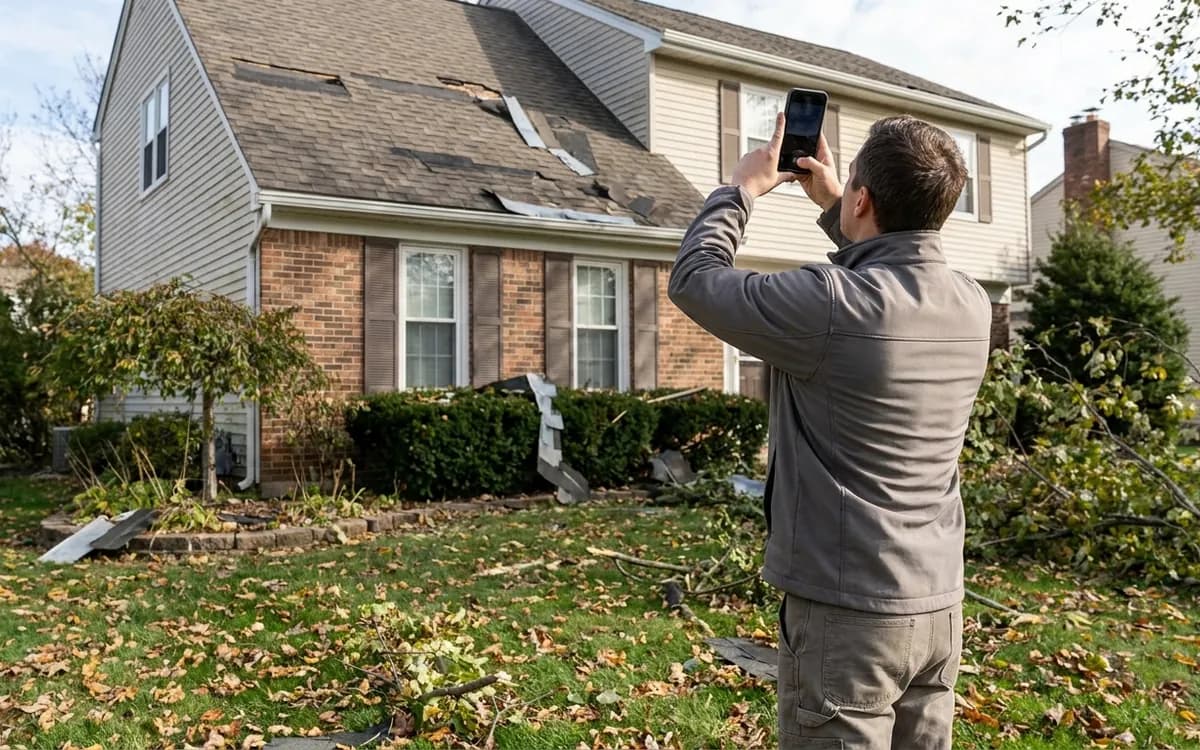
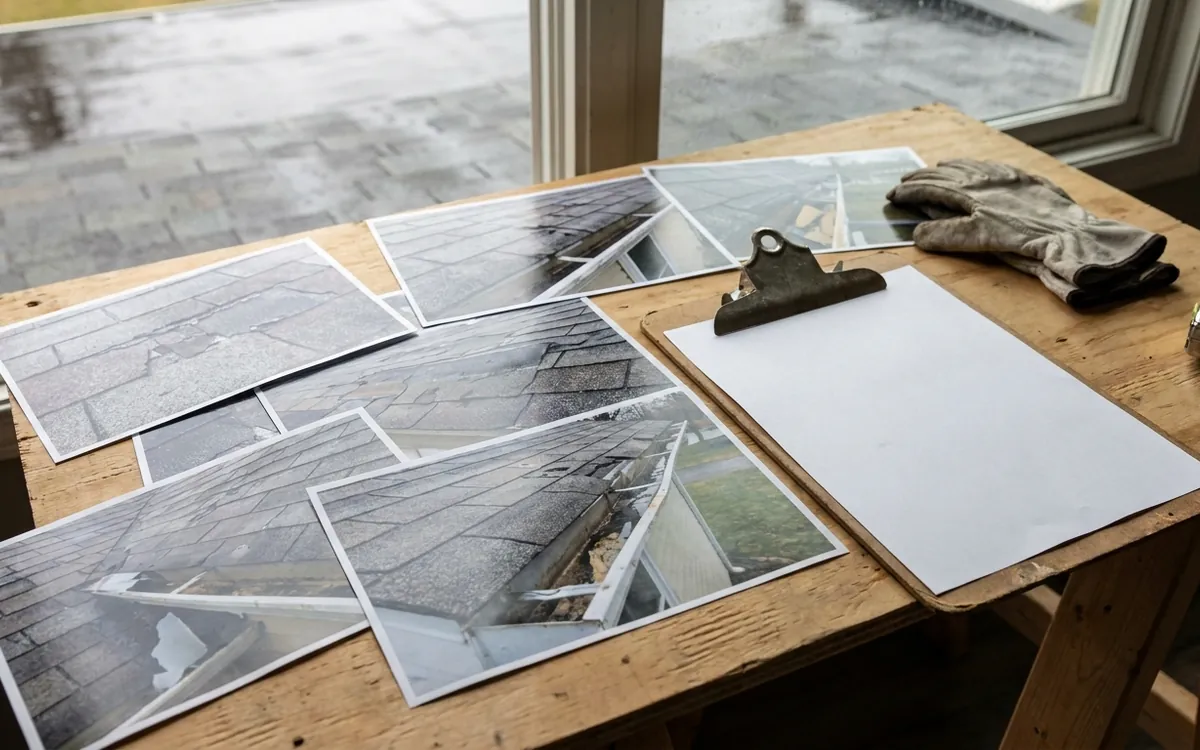
This week makes sense after a significant hail or high-wind event even when the roof looks unchanged. Some conditions are not obvious from a driveway, and early photographs plus a dated assessment can help establish what was observed before ordinary weather adds more wear.
Later can be reasonable after a minor event with no visible change or interior symptom. Save the date, ground-level photos, and any weather notes anyway. Those details help if a concern appears later, without assuming that a storm caused it.
What a Storm-Damage Roof Inspection Checks
A ground-level look and a real assessment are different activities. The professional may inspect what can be reached safely and document what cannot.
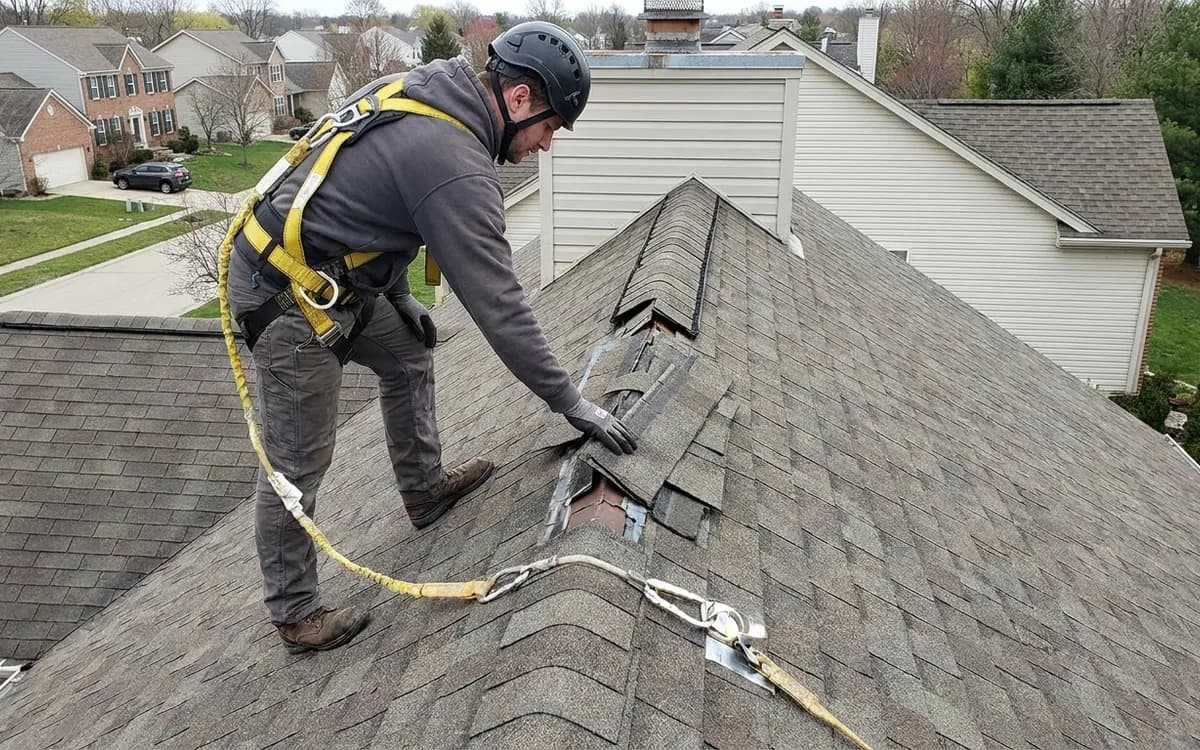
Outside, that can include roof field condition, ridges and hips, eaves and rakes, flashing at chimneys/walls/skylights/penetrations, valleys, gutters and fascia, soffits, and vents. The point is to compare material condition and vulnerable transitions—not to call every mark storm damage.
Inside, the inspection can include attic decking, insulation, rafters, sheathing nails, ceilings, upper walls, skylights, and chimney chases. Interior evidence can help distinguish a recent water path from a condition that may have existed before the weather event.
How Hail and Wind Damage Differ
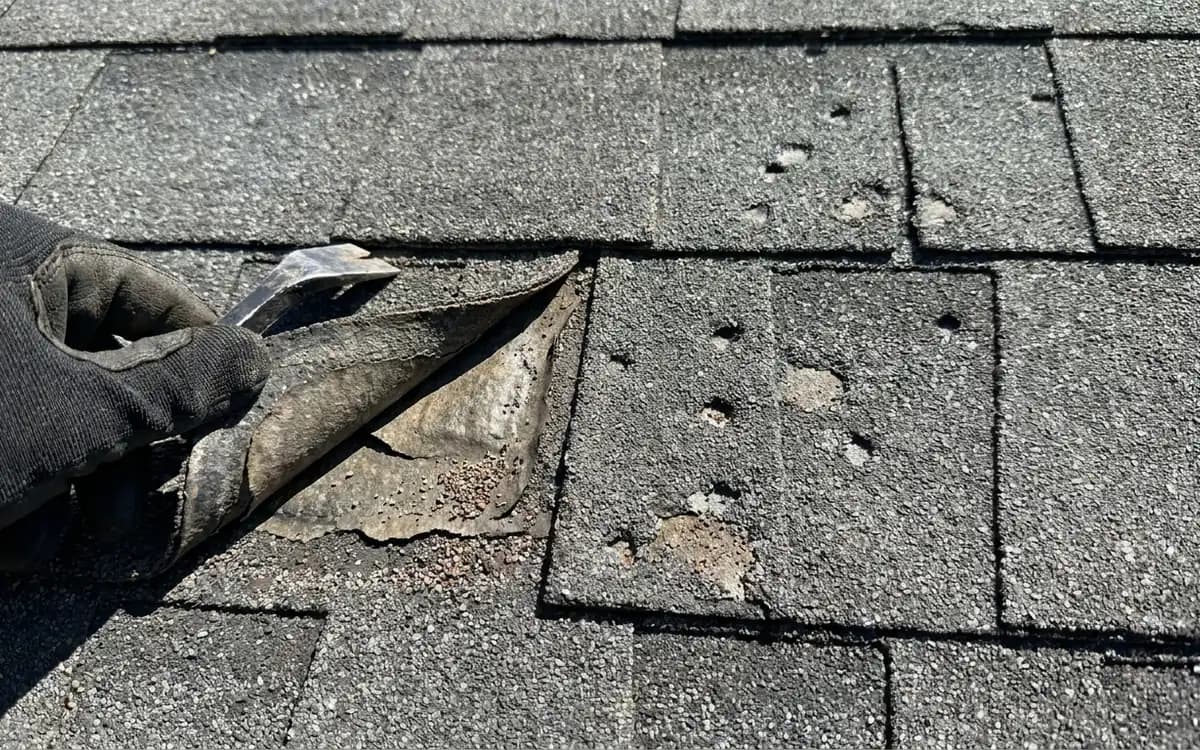
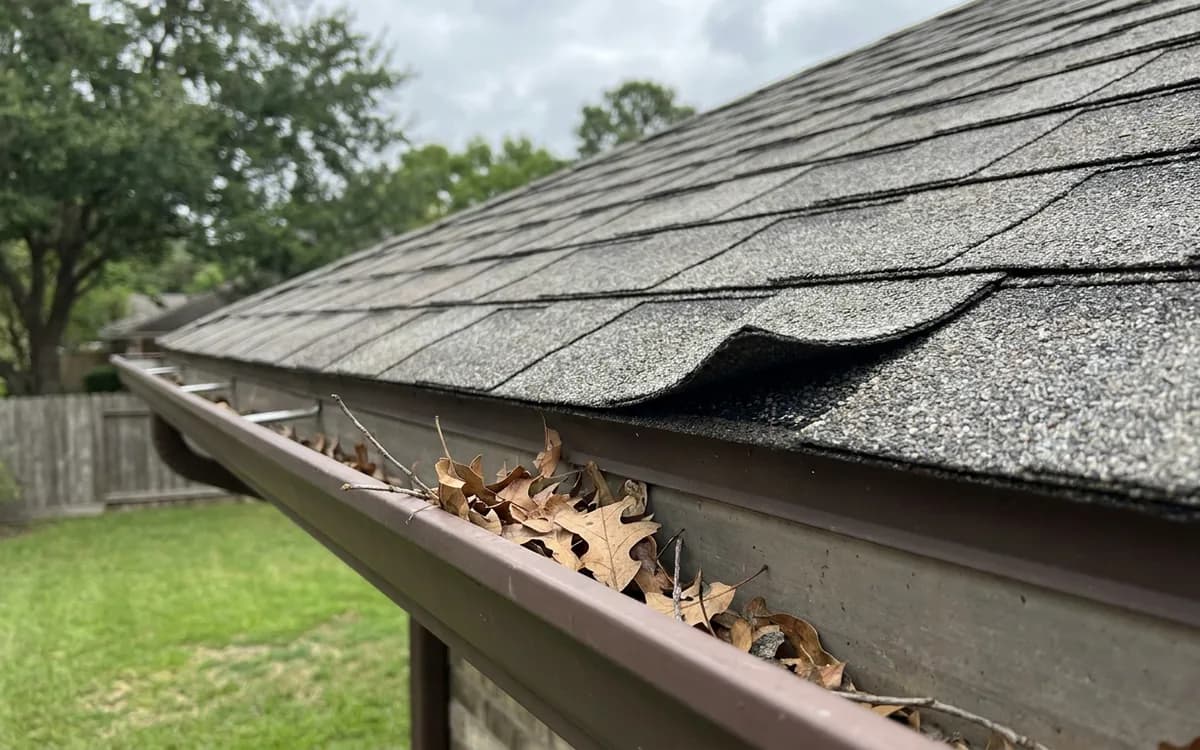
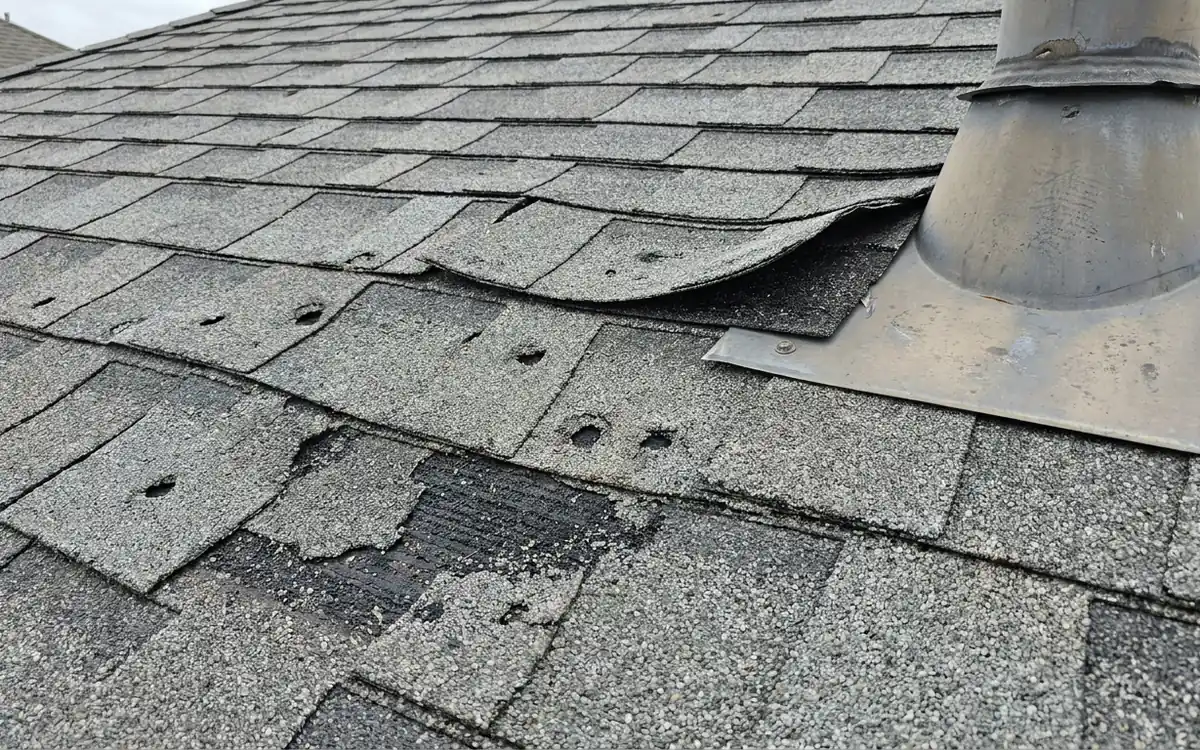
Hail can leave bruising, fractures, or granule loss across exposed roof planes without creating an immediate visible leak. Wind can lift an edge, stress a seal, move flashing, or disturb a vulnerable detail. Both patterns need inspection in context: roof age, material condition, installation details, and other causes matter.
A storm assessment should describe what was actually observed. It should not promise that a mark proves coverage, that an event caused every defect, or that a roof needs replacement before the inspection supports that conclusion.
What a Real Storm Assessment Documents
A useful assessment identifies which sections were inspected and which were not safely reachable; what appears recent, older, or inconclusive; whether temporary protection, a repair, a larger scope, more testing, or a second opinion may be appropriate; and the photographs or measurements behind that call.
Drone imagery can help document a roof that cannot be safely walked. It does not replace an up-close look at reachable details. If the decision requires a written independent report rather than a contractor assessment, the roof inspection cost guide explains the free-visit and paid-report paths.
Water Coming In Now: Safe Temporary Steps
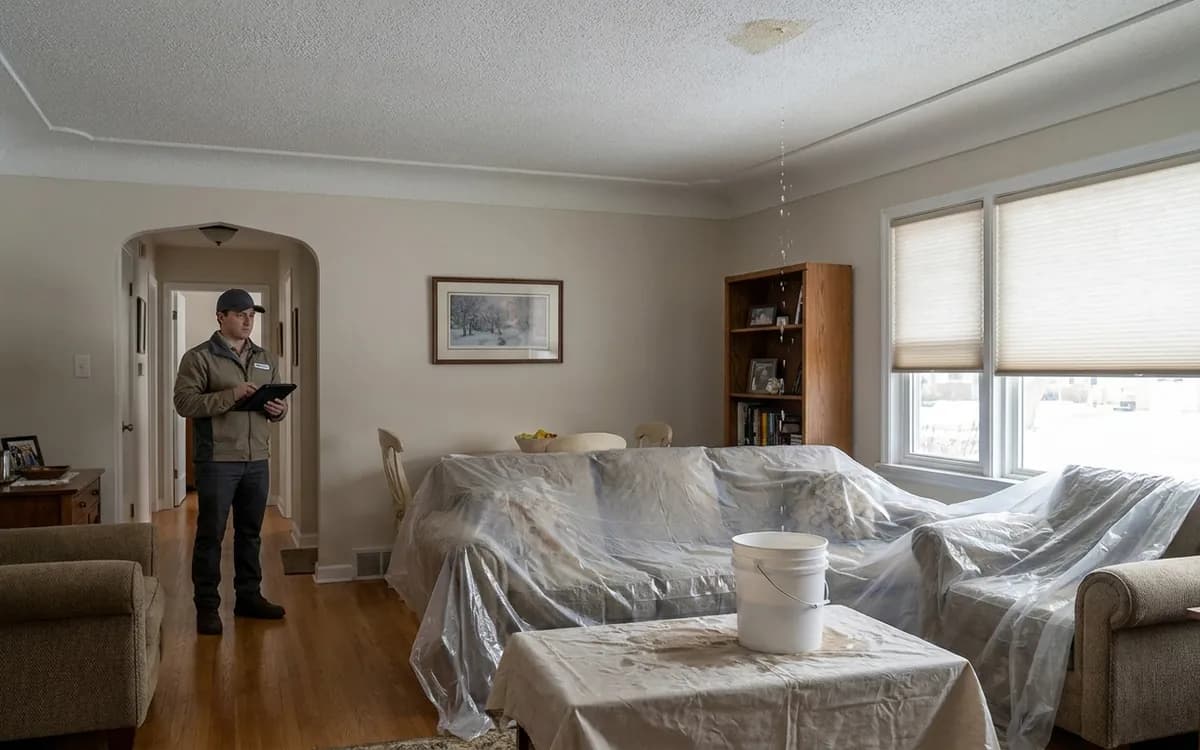
Protect furniture and flooring if it can be done safely. Keep people away from electrical fixtures or outlets near water, and do not climb onto a wet or damaged roof. A temporary tarp or protection measure is different from a permanent repair, so confirm its scope and price in writing.
If the immediate question is tracing an active ceiling leak to its likely entry point, use the roof leak inspection page. This storm page stays focused on post-hail/post-wind assessment.
Avoid Door-to-Door Pressure After a Storm
A storm can create urgency, which makes clear information more valuable. Before authorizing work, ask for the contractor’s business identity, proof of insurance, references, and a written scope that says what they observed and what they propose to do.
Do not let a rushed conversation replace evidence. Compare a recommendation with the photographs, inspection notes, and scope you receive. A second opinion is reasonable when the explanation does not match the observed condition or the proposed work is substantial.
When Storm Damage Becomes an Insurance-Claim Question
Keep the storm date, safe photos, inspection information, estimates, and receipts for any temporary protection. A contractor can document observed roof conditions; the insurer decides whether a policy covers a claim.
Policy terms, deductibles, prior condition, exclusions, adjuster process, and denied-claim questions belong on the roof inspection for an insurance claim page. This page does not provide coverage advice or substitute for your carrier or agent.
What Roof Inspection Houston Does—and Does Not Do
Roof Inspection Houston is a referral service, not a roofing contractor. We connect you with one independent insured local roofing professional. We do not inspect roofs, produce reports, decide insurance coverage, administer warranties, or perform roofing work ourselves.
Confirm the professional’s business identity, insurance, experience with your roof system, and written scope before authorizing work. The free connection gives you a route to a local pro; it does not remove the need to review the work you approve.
What to Tell Us About the Storm
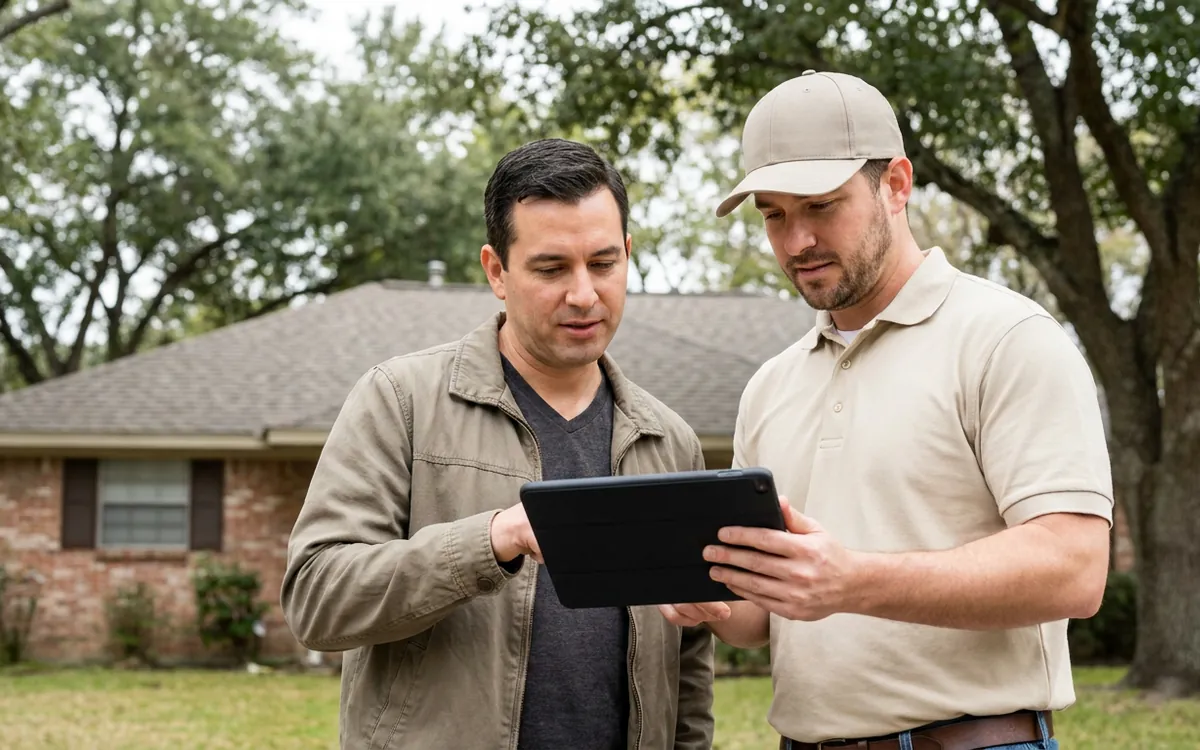
Tell us the storm date, whether hail or wind was involved, what you can see safely from the ground, whether water is active, roof type if you know it, and roof-access details. Call for the fastest response, or use the form. The local pro confirms availability and the scope of the free inspection.
For coverage outside the core metro, see service areas. You are gathering information, not committing to work. Preserve the facts, ask for the evidence, and get a second opinion when a recommendation does not add up.
Questions
Frequently Asked Questions
How soon should I inspect my roof after a storm?
Schedule as soon as it is safe and practical. Early photographs and a dated assessment can help identify new damage before weather causes additional interior problems.
Does homeowners insurance cover storm damage?
Coverage depends on the policy, cause of loss, exclusions, deductible, and evidence of prior condition. An inspection can document observed conditions, but the insurer decides the claim.
What should I do before the inspection?
Take safe ground-level photos, note the storm date and any interior water, protect belongings from active water, and avoid climbing onto a wet or damaged roof.
What is the difference between hail damage and wind damage on a roof?
Hail strikes the whole roof at once and damages the surface of the material, leaving bruises and granule loss across entire planes without always opening a hole. Wind works on one place at a time, usually an edge or a flashing joint, and the damage often stays invisible until later rain finds the gap.
Ready to get started?
Ready for a free inspection? Get connected with a local, insured roofing professional. Straight answers, clear scope, and no obligation to hire.